Idiomas Aprendizaje Experencia
La Experiencia de Aprender un Idioma Extranjero: De Cero a B2+ Rápidamente
Comparto mi experiencia al aprender una lengua extranjera, pasando de no saber nada a alcanzar un nivel B2+ en solo año y medio. Lo logré de manera lúdica, como un pasatiempo cuando tenía tiempo libre, sin recurrir a escuelas de idiomas, libros, cuadernos, ni métodos tradicionales.
 Buenas practicas
 17. 7. 2024
En la primavera de 2022, mis amigos y yo estábamos de vacaciones en Cuba. Al regresar, uno de ellos se emocionó tanto por aprender español que decidió inscribirse en una escuela de idiomas. Esto me motivó a seguir su ejemplo y empezar a estudiar español también. El problema era que los cursos solo comenzaban al inicio del siguiente semestre, lo que significaba esperar casi medio año. Curioso por encontrar alternativas más rápidas, investigué en foros las mejores formas de aprender un idioma extranjero desde cero, ya que no tenía ningún conocimiento previo. Como entusiasta de las tecnologías de la información, pensaba que el futuro del aprendizaje estaba en la personalización a través de profesores virtuales. Sin embargo, en 2022 la inteligencia artificial aún no estaba lo suficientemente desarrollada como para ser una opción viable, y, honestamente, incluso en 2024 sigue sin ofrecer una solución completamente funcional. Entonces, fue mi hijo quien me sugirió que probara la aplicación Duolingo. La descargué y empecé a hacer algunos ejercicios solo por diversión. Esta app introduce el aprendizaje a través de elementos de juego, lo que la hizo bastante entretenida.
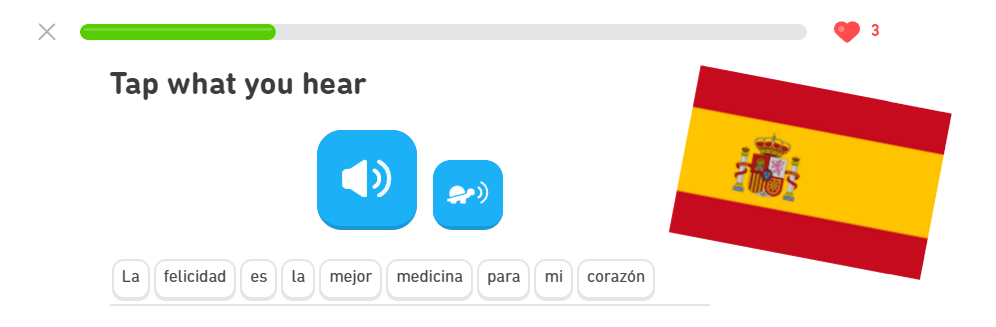
Aunque fue divertido, no estaba seguro de si realmente podría aprender el idioma solo con Duolingo. Así que decidí investigar más sobre la eficacia de diferentes métodos de aprendizaje de idiomas. La mayoría de los consejos señalaban que la aplicación podía ayudarme a entender el idioma, pero no me enseñaría a hablarlo con fluidez. Para eso, necesitaba practicar con un "hablante nativo". Por eso, en el primer mes me inscribí en la plataforma Italki y comencé a tener conversaciones. Elegí a una simpática y muy inteligente estudiante de Colombia, que acababa de empezar a enseñar, así que ambos éramos principiantes en nuestras respectivas áreas. Al principio, realmente no sabía decir casi nada, pero ella fue muy paciente y siempre me motivaba a seguir adelante. Utilicé Italki exclusivamente para practicar la conversación. Mi objetivo era poner en práctica las palabras y la gramática que aprendía en Duolingo. Probé conversaciones con varios profesores y terminé haciéndome amigo de algunos de ellos. Para mi sorpresa, progresé mucho más rápido de lo que esperaba, especialmente considerando que había comenzado a estudiar en la mediana edad. Después de medio año de aprendizaje, incluso viajamos al Campeonato de Rally de España. Decidí que durante el viaje hablaría únicamente en español, evitando por completo el uso de palabras en inglés. Sorprendentemente, logré superar con éxito situaciones más complejas, como alquilar y asegurar un coche. Para entonces, ya estaba conversando en español de manera fluida, mientras que mi colega aún esperaba el inicio del curso en la escuela de idiomas. Yo dedicaba aproximadamente 20 minutos diarios al estudio, a veces un poco más. El método me pareció tan efectivo que decidí continuar con él y, al final, ni siquiera me inscribí en la escuela de idiomas. Después de un año de aprendizaje, según el programa de Duolingo, debería haber alcanzado el nivel B1.
Me preguntaba si realmente había alcanzado ese nivel, así que decidí hacer una prueba oficial de conocimientos que lo confirmó. De hecho, el resultado fue incluso un poco mejor de lo esperado. Aunque el nivel general que alcancé fue B1, en las áreas de comprensión escrita y auditiva obtuve una evaluación de nivel B2. Además de Duolingo, combiné mi aprendizaje con otros métodos. Me gustaban los cortometrajes (de unos 10 minutos) sincronizados en español con subtítulos. Las películas sincronizadas suelen tener un audio más claro y fácil de entender. También vi algunas películas más largas, pero como no soy muy fan de la televisión, me pareció una pérdida de tiempo. Otro recurso importante fue mantenerme en contacto con mis conocidos de Cuba y hacer nuevos amigos hispanohablantes a través de las redes sociales. Hablaba con ellos con frecuencia por videollamadas, lo que me permitió mejorar mi fluidez. Además, varias veces me encontré con hablantes nativos de manera casual (un socio de negocios, un turista), y siempre aprovechaba la oportunidad para practicar. Por ejemplo, en Hong Kong asistí a una reunión del grupo HK Sociedad Hispánica, y mientras esquiaba en Italia, todo el equipo de recepción del hotel era de Argentina. He viajado bastante a países hispanohablantes. Visité varias veces España, y también hice algunos viajes más largos a Sudamérica, recorriendo Chile, Perú, la Isla de Pascua, Argentina, y, por supuesto, Cuba. No tuve mayores problemas con la comunicación. Sin embargo, me resultaba un poco más complicado entender a los lugareños cuando hablaban rápidamente entre ellos o en dialecto. Pero en una conversación cara a cara, cuando la persona hablaba más despacio y con claridad, no tenía ningún inconveniente. Después de año y medio de aprendizaje con Duolingo, al completar el curso, según el programa debería haber alcanzado el nivel B2. Decidí volver a tomar los exámenes oficiales, y efectivamente, obtuve un certificado que acreditaba un conocimiento activo del idioma. Comparto esta experiencia como un ejemplo de que la edad no es una barrera para aprender idiomas extranjeros. Todo lo que se necesita es motivación y un método de aprendizaje efectivo.
Greek mythology Inventions History
The most important invention of mankind, Greek mythology and more - Vrhnika, special place
I spent my youth in a small, peaceful place along the Ljubljanica River. This area is where three geographical regions meet: the Karst, the Alpine world, and the basin. It’s a place of stunning natural beauty, rich with cultural and natural attractions. Inhabited as far back as a quarter of a million years ago, it is also mentioned in Greek mythology. But there's something even more remarkable—less than a mile from my parents' house, one of humanity’s greatest inventions (second only to the discovery of fire) was unearthed: a 5,200-year-old wheel with an axle. I went searching for the location of this incredible find, and surprisingly, it’s not marked at all. If this were in England or America, it would surely be swarming with tourists.
Cultural & Natural Sites
Vrhnika, 2023
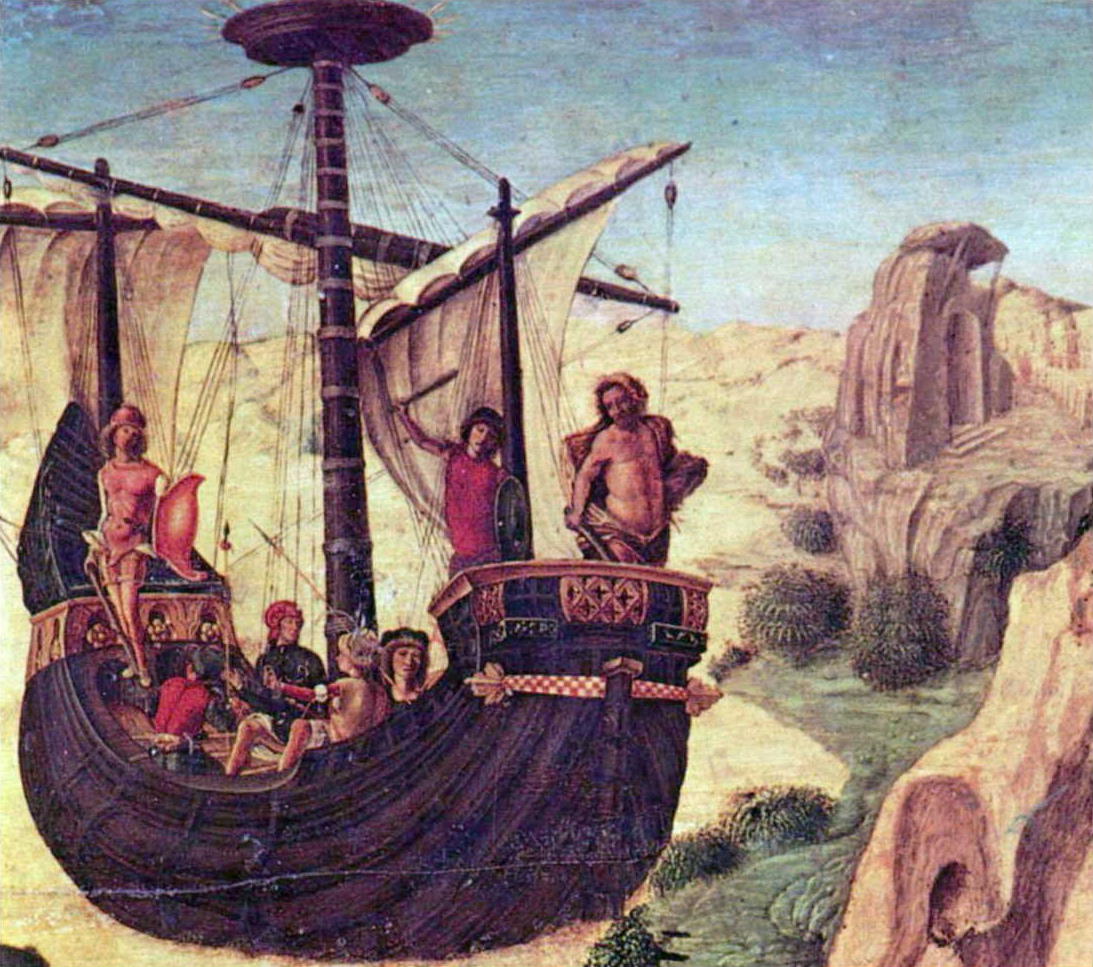
An interesting place full of attractions, it is also the birthplace of Slovenia’s greatest writer, Ivan Cankar. It holds a place in Greek mythology as well—legend has it that Jason and the Argonauts, on their journey, lifted their ship from the river here and carried it to the Adriatic Sea. Nearby, one of humanity’s most important inventions (after the discovery of fire) was found.

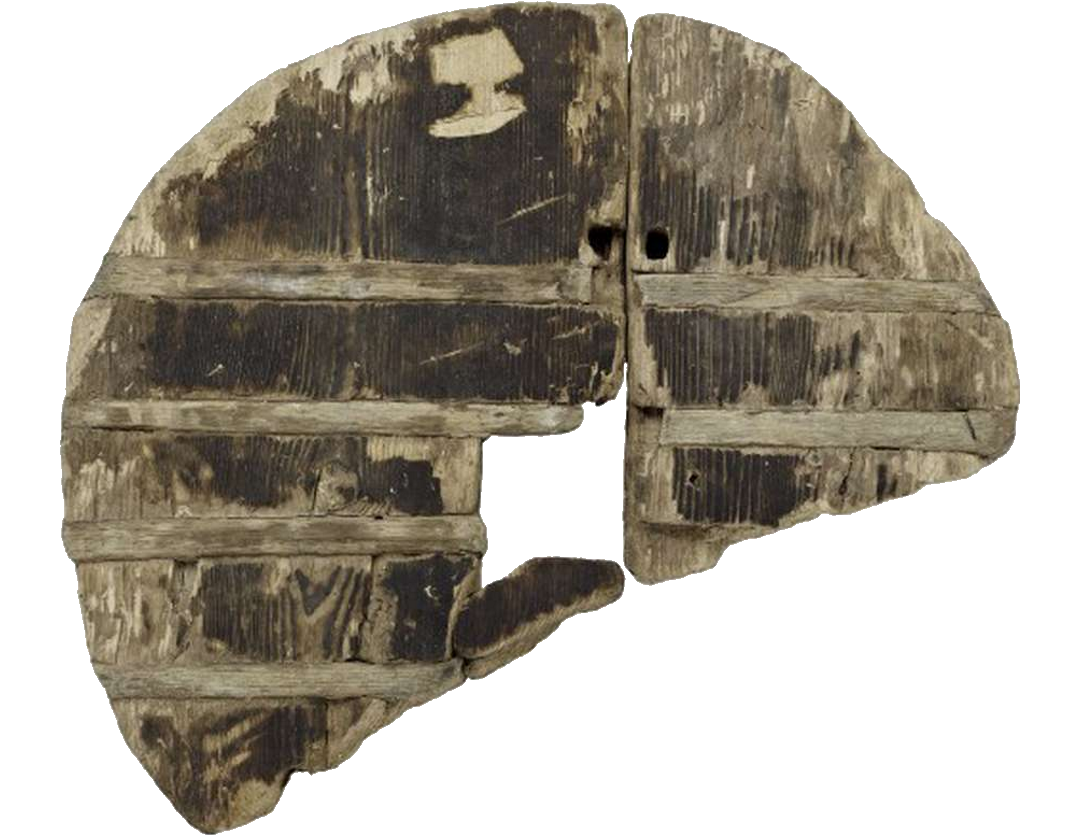
People lived here as far back as 250,000 years ago. Archaeological excavations have uncovered 19 sites where ancient inhabitants built wooden huts on stilts. They settled in the drier, peripheral areas and on solitary hills rising above the bog. This area was highly advanced thousands of years ago, as evidenced by the discovery of one of humanity's most important inventions—the world’s oldest wheel with an axle, dating back 5,200 years. Remarkably, it was found less than a mile from my parents' house.
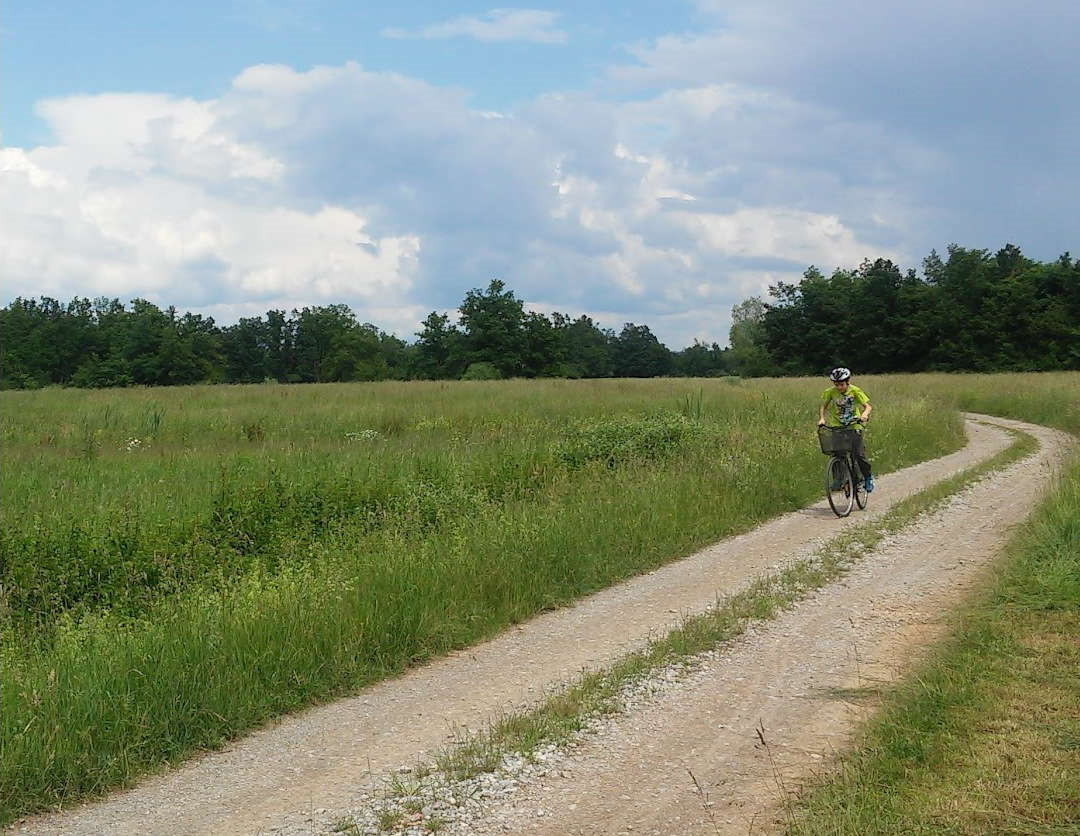
This place has always been a key crossroads for routes that connected Europe throughout history. For this reason, the bogs were partially drained as early as Roman times. During the Roman Empire, the town was known as Nauportus.
Sources:
- Obcina Vrhnika, https://www.vrhnika.si, 12. 4. 2023
- MGML, The Wheel – 5,200 years, https://mgml.si/en/city-museum/exhibitions/211/the-wheel-5200-years/, 12. 4. 2023
Numbers Good practice History
Memorizing the Digits of Pi: A Journey Through History and Personal Experience
The calculation of Pi’s digits has evolved significantly throughout history. The Bible famously gives Pi a value of 3, while the Babylonians made a more accurate estimate, calculating it to one decimal place. Archimedes improved this further by calculating Pi to two decimal places, and in 480 AD, the Chinese mathematician Zu Chongzhi managed to reach seven decimal places. This level of precision remained unchanged for the next 1,000 years. In 1789, the Slovenian scientist Jurij Vega made a breakthrough by calculating Pi to 140 decimal places, setting a world record. His achievement held for 52 years.
Interesting Math Facts
Ljubljana, 2018
The number Pi is one of the most fascinating mathematical constants, and much has already been written about it. I would like to share a small connection between Pi, Slovenia, and my personal experience memorizing its digits.

It was a relaxed atmosphere, as the holidays were approaching. While I was writing, my classmates collected money in a bag. After the lesson, we used the collected funds to go for a beer in the city center. The teacher awarded me an excellent final grade. This marked the end of my journey with memorizing Pi, though I’m not sure how many more digits I could have learned.